
LIVE: Social Age Safari with Sea Salt Learning
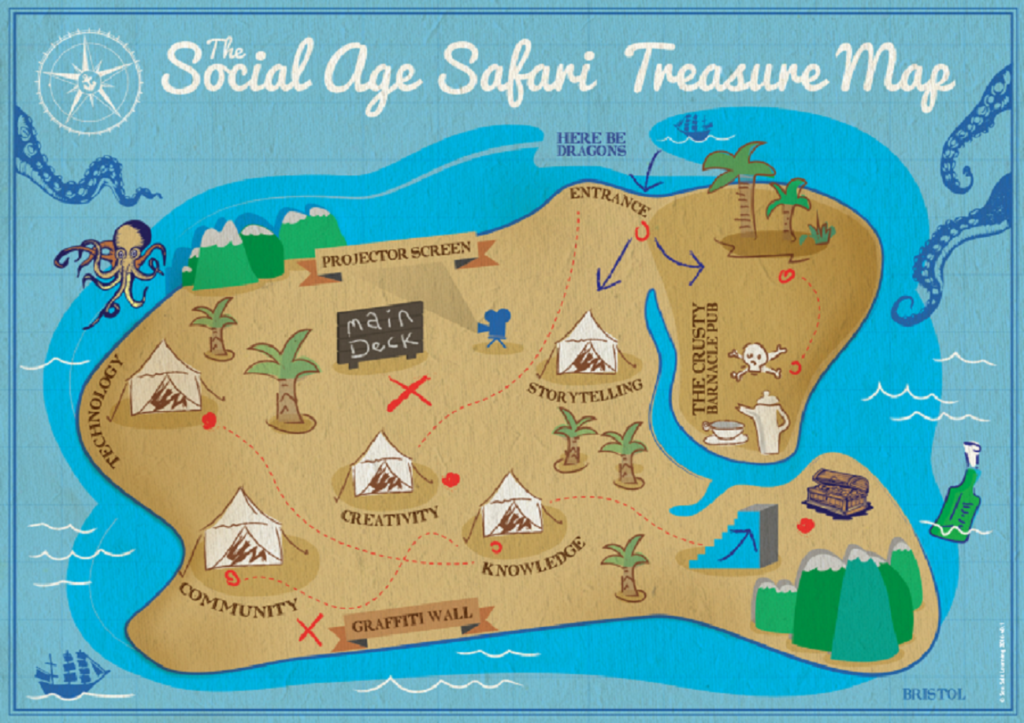
Join TrainingZone for live coverage of the Social Age Safari, a May 18-20 hackathon-style event in Bristol exploring how social media and technology are reshaping society, knowledge, and human connection. Expert speakers and diverse participants will discuss emergent ideas across creativity, storytelling, and knowledge-sharing stations.
Those Conversations We’d Much Rather Not Have
Difficult conversations often feel unavoidable, but avoiding them typically makes situations worse. Managers need the right skills and emotional intelligence to handle these discussions constructively, addressing underlying issues while maintaining professional relationships.
How you and your colleagues become shareholders in knowledge
Discover how organizations can shift from knowledge hoarding to sharing through ownership programs and corporate learning platforms. Empowering employees as “shareholders in knowledge” boosts motivation, decision-making capabilities, and competitive advantage while enabling managers to focus on strategy.
Optimism as a Skill
Optimism is a learned skill that significantly impacts performance and team success. Research shows negative experiences have greater influence on behavior than positive ones, yet cultivating optimism through deliberate practice can transform how we communicate, lead, and achieve goals.
Learning Lessons from Leicester City
Leicester City’s unexpected Premier League title win offers valuable organizational lessons: data-driven decision-making enabled precise performance tracking, a focus on controllable factors empowered individual accountability, and clear performance metrics aligned team efforts toward shared goals.
Coffee Briefing: Open plan learning, webcams and the truth behind gamification

This week’s Coffee Briefing curates essential L&D insights covering open plan learning spaces, the effectiveness of gamification in training, webcam use in webinars, and strategies for increasing employee engagement with online learning programs.
Innovation; where are we?
Understanding your organization’s current innovation maturity is essential before pursuing change. An innovation maturity assessment evaluates your existing innovation capability, culture, and level of development, helping leaders identify the starting point needed to build sustainable innovation success.
Should keeping up with online applications & tools constitute ‘lifelong learning?’

Lifelong learning increasingly involves keeping up with constantly evolving online tools and applications. While formal and non-formal training programs help, much of this learning happens informally as employees adapt to new features and updates on their own, raising questions about whether this constitutes true professional development.
The L&D Coffee Briefing: Skeptics, gender bias and why to trust your gut

A weekly L&D briefing curating essential articles on science-backed learning, leadership development, training effectiveness, and workplace inclusion. Topics include gut instinct decision-making, gender bias in tech, and whether L&D professionals are disconnected from business reality.
8 tips to become a 21st century knowledge worker

Master the skills needed to thrive as a 21st-century knowledge worker through lifelong learning, mentorship, and applying core concepts to real-world situations. Success requires continuous skill development beyond formal education and staying current through social media and professional networks.
A Simple Question: Which layout would you prefer?
Discover which training room table layout works best for your learning style. Learn how different configurations—from classroom seating to U-shaped and round tables—affect engagement, collaboration, and comfort during professional development events.
Why do we waste so much time procrastinating?

Procrastination is the intentional delay of necessary tasks despite knowing it will harm our performance. Rather than a time management problem, experts show it stems from emotional regulation—people delay to avoid fear of failure, judgment, and discomfort by seeking distractions like social media.
Changing Negotiation: From ‘What’s in it for me?’ to ‘What’s in it for us?’
Effective negotiation requires shifting from a competitive “what’s in it for me?” mindset to a collaborative “what’s in it for us?” approach. This perspective transforms negotiations from win-lose battles into shared problem-solving that builds stronger relationships and creates mutual value.
Are you ready for lifelong un-learning?
Leaders must unlearn outdated business approaches to build a culture of innovation that drives stronger outcomes. This requires letting go of ingrained habits alongside learning new skills, particularly for leadership teams committed to transforming their organizations.
Innovation is about optimisation, not control
Innovation management requires optimisation of processes rather than strict control to unlock organisational creativity. Effective innovation cultures empower employees across all levels to collaborate and generate ideas, supported by clear structures and boundaries that enable game-changing solutions.
Leveraging technology
Technology is transforming businesses across sectors, from reporting to health and safety compliance moving online. The World Economic Forum warns this Fourth Industrial Revolution requires significant skill shifts over five years, though successful adaptation depends more on mindset than age or ability.
How to Train a Timid Sales Rep
Help timid sales reps succeed by implementing five key strategies: role-playing with experienced team members, building self-confidence through targeted training, providing 90+ days of comprehensive sales instruction, offering ongoing support to overcome rejection fears, and conducting regular performance reviews to track progress.
Year 11 pupils with no interest in learning about careers
Careers advisers struggle to engage Year 11 students in group learning sessions despite careful planning and real-world employer involvement. The author observes increasingly disruptive behavior and apathy from teenagers toward career development, questioning whether systemic education issues or societal factors are responsible.
Like champagne without the fizz…..
Well-designed training alone doesn’t guarantee organizational success. To avoid delivering training that loses its impact, L&D teams must align learning initiatives with business needs, involve stakeholders throughout evaluation, and function as change agents aligned with organizational strategy.
Leaders are doing way too much and it’s all the wrong stuff

Many leaders work excessive hours but spend time on activities that don’t drive real value, like endless meetings and email management. Research shows long work hours don’t boost productivity, yet busy schedules are worn as badges of success rather than signs of inefficiency.