
Workplace gaslighting: Equip managers to address psychological manipulation

Are your leaders and managers equipped to spot and address gaslighting quickly?
What is hyper-collaboration and why should we bother with it?

Organisations need to build an ecosystem mindset and teaming skills in the age of hyper-collaboration
Human skills and the technological singularity

In the age of AI disruption, where should we focus our reskilling efforts to protect future job security?
We need braver leaders and here is how to get them

Nurturing the traits of strength, growth, courage and foresight in our leaders is crucial
Soft skills: How to make people trust you at work

By honing certain skills, you will have greater capacity to build a trusting environment at work.
The six languages of connection: How to better communicate with your learners

Understand the six languages of connection and see your learners flourish.
Right-brain thinking: Your genie in a bottle for resolving workplace conflict

We all have a power within us that we can release to resolve conflict.
Can you decide which type of decision maker you are?

The two primary categories of decision makers are ‘maximisers’ and ‘satisficers’. Which type are you?
Training for leadership
Leadership training increasingly requires political awareness, according to the Institute of Directors report. As external forces like ESG expectations reshape boardroom responsibilities, directors need skills to navigate complex regulatory environments and contribute meaningfully to public debate while protecting their organization’s interests.
Change: Are you in the Driving Seat?
Explore how the “Passengers” metaphor helps employees understand their role in workplace change, from drivers controlling direction to back-seat passengers struggling to understand what’s happening. This powerful activity reveals different perspectives on change management and builds empathy across teams.
Playtime for Leaders
Leaders can enhance their effectiveness by embracing improvisation and playfulness—techniques from acting that foster creative problem-solving, adaptability, and innovation. Research shows that leaders who adopt spontaneous, playful approaches are perceived as more innovative and better equipped to navigate change in dynamic business environments.
How conscious leaders cultivate immersed employees

Forget engagement – employees desire work immersion. But how can leaders nurture this?
How to better support dyslexic employees with written communication

We explore the four qualities needed to support dyslexic people.
Insights from The Coaching habit
The Coaching Habit by Michael Bungay Stanier offers practical insights for effective leadership through better questioning techniques. The book presents the 3Ps Framework (Project, Person, Pattern) and seven coaching questions that help leaders identify what to focus on in conversations and improve their coaching skills without relying on complex theory.
Why reverse mentoring is essential in 2023

Reverse mentoring is superior to conventional mentoring, with the ability to boost both individuals’ confidence, skill set and knowledge
The Art of Desk-Bombing
Desk-bombing—approaching colleagues at their desks unannounced—builds stronger relationships and solves problems faster than email. When done respectfully, this face-to-face interaction fosters team connections, improves communication clarity, and gets people moving throughout the office.
Why learning cultures need to be reframed as awareness cultures

If we want learners to develop skills most important to the business, it might be time for a culture shake-up.
Don’t bother working on weaknesses. Success lies in playing to strengths

Building on strengths rather than working on weaknesses is the route to exceptional performance.
Six standout skills in the age of artificial intelligence

In the age of AI, it is increasingly important for individuals to possess and develop skills that cannot easily be replicated by machines.
Emotional intelligence: The essential workplace skill to advance your career
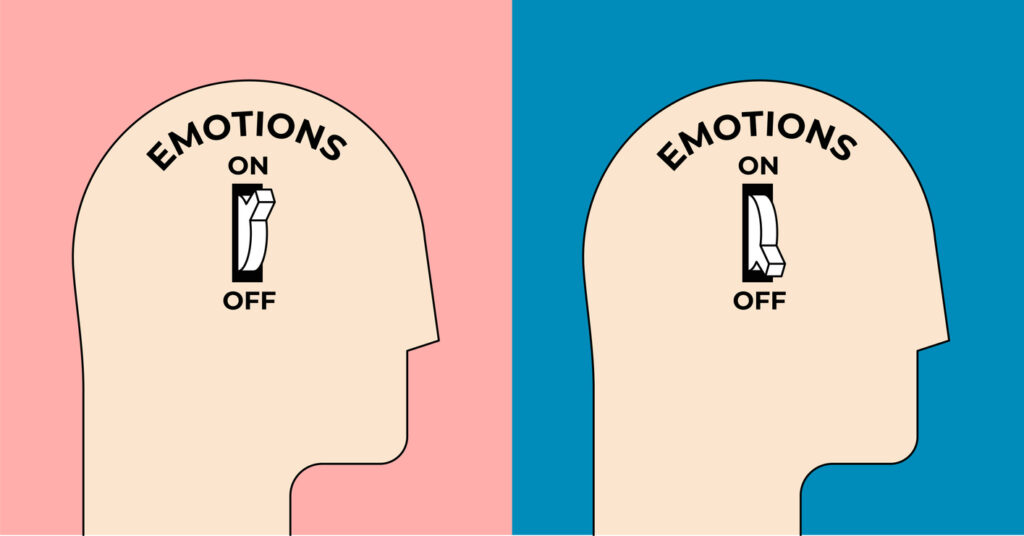
This critical skill remains undervalued and overlooked, but is key to getting ahead in your career