
The diversity challenge? Team cohesion grows from shared goals

Elaborate team-building events like baking competitions and zombie apocalypse games don’t create lasting cohesion, especially in diverse workplaces. True team bonding requires addressing underlying conflicts and shared goals rather than forced fun activities that may exclude or alienate team members.
Sales Training
Sales teams typically invest in certification and learning development to boost performance. Benchmark costs vary by industry and company size, but understanding average spending on annual certification and training per employee helps build effective business cases for sales development programs.
L&D of the future: are you ready to adapt to high frequency change?

Today’s organizations face unprecedented high-frequency change driven by technology and globalization, not just faster versions of traditional change. Tom Cheesewright argues that L&D teams must help build “athletic organizations” capable of rapidly sensing and adapting to this constant disruption to stay competitive.
Graduate skills gap: nurturing business skills in young employees

Most employers report school leavers and graduates lack essential workplace readiness, citing missing soft skills and work experience. While education institutions invest heavily in employability training, developing business skills requires real workplace immersion—a responsibility employers must embrace during employees’ first year.
Defining the skills gap: what can you actually do?

A global skills gap extends beyond technical qualifications to self-awareness—understanding what triggers stress, communication styles, resilience, and accountability. These foundational skills, developed through experiential exercises rather than traditional training, are what employers truly seek and what enables greater workplace success and personal fulfillment.
The second secret of accelerated learning: facilitate don’t train

Facilitation differs from training by engaging learners through questions rather than direct instruction. Asking questions activates dopamine and the brain’s reward systems, creating deeper engagement and richer learning outcomes. True facilitation makes the learning process easier without the trainer delivering all information themselves.
Learning transfer and the ‘angels’ share’: how to brew the perfect learning experience

The “angels’ share” in whisky production—the portion that evaporates during aging—offers a valuable perspective for learning and development. Not all training needs to produce immediate, measurable results; some learning requires time to mature and develop, while some loss is inevitable and acceptable in any development process.
Leadership: the three top skills all leaders need

Effective leaders need three critical skills: adaptability to embrace change and feedback, empathy to listen and connect with others, and resilience to bounce back from setbacks and encourage healthy risk-taking in their teams.
Post-Brexit Britain needs skilled workers

Post-Brexit Britain faces a productivity crisis that requires reassessing attitudes toward vocational education and apprenticeships. The UK’s skills deficits and low take-up of degree apprenticeships compared to university degrees hinder economic competitiveness against European counterparts.
Leadership: the problem with managers and how to upskill them

Many managers lack essential people skills despite their technical expertise, leading to poor staff engagement and trust. Management development programs can teach these critical capabilities—including communication, empathy, and support—by drawing lessons from effective role models and reframing “soft skills” as the hard work of leadership.
The first secret of accelerated learning – finding the balance in priorities

The first secret of accelerated learning is balancing business-focused and learner-centered objectives. While aligning learning strategy with company priorities is critical—only 40% of companies achieve this—organizations must also consider employee needs during change. Effective L&D requires understanding stakeholder challenges, demonstrating business impact, and supporting employees through transformation.
Leadership: why adaptability is the must-have skill for leaders today

Adaptability is the critical leadership skill for today’s rapidly changing workplace, yet traditional leadership programmes often miss the mark by focusing on fixed annual plans rather than preparing leaders to anticipate change and navigate uncertainty. Modern leaders need vision-driven development that reacts to business realities rather than predetermined paths.
Leadership skills and development

Effective leadership requires both innate qualities and learned skills that can be developed through practice, training, and self-reflection. Key competencies include communication, decision-making, emotional intelligence, and the ability to inspire and motivate teams. Organizations and individuals can strengthen leadership capabilities through mentoring, professional courses, and real-world experience.
Presentation skills: take a deep breath and drop the corporate mask

Authentic presentation skills go beyond polished content—they require dropping the corporate mask and bringing your genuine self to the room. By breathing deeply and connecting with your emotions, speakers can slow down, build presence, and create meaningful trust with their audience.
A level playing field: why it’s time to rebrand vocational education

Vocational education pathways offer viable alternatives to traditional university routes, yet they remain undervalued in the UK due to outdated perceptions. With widening skills gaps particularly in STEM, rebranding technical education as equal to academic paths is essential for supporting young people and meeting employer needs.
VIDEO: What’s your work/life tipping point?

Instead of chasing work/life balance, focus on whether you’re doing what truly matters to you emotionally and practically. Maggie Buggie, SVP at SAP, shares her perspective on finding your personal tipping point and being brave about your priorities.
Transformational leadership: it’s not what you think

Transformational leadership is essentially charismatic leadership with a more appealing name, but research shows little correlation between charisma and effective leadership. Organizations often promote charismatic employees into leadership roles based on personality rather than capability and skill, which may not lead to improved results.
Why apprenticeships are thriving alongside Brexit uncertainty

Apprenticeships are growing in popularity as a cost-effective alternative to university degrees, with 76% of Brits believing on-the-job training is more important for career growth. Employers increasingly prefer apprentices for their practical work experience and industry-specific skills, making them more work-ready than graduates in today’s uncertain business environment.
Digital transformation: how to help your people navigate through uncharted territory

Digital transformation extends far beyond technology—it requires supporting your people through change. Learn how to assess skills gaps, develop your team’s capabilities, and create a multidisciplinary workforce that can navigate the evolving digital landscape successfully.
Why memory is the most important skill to train employees in
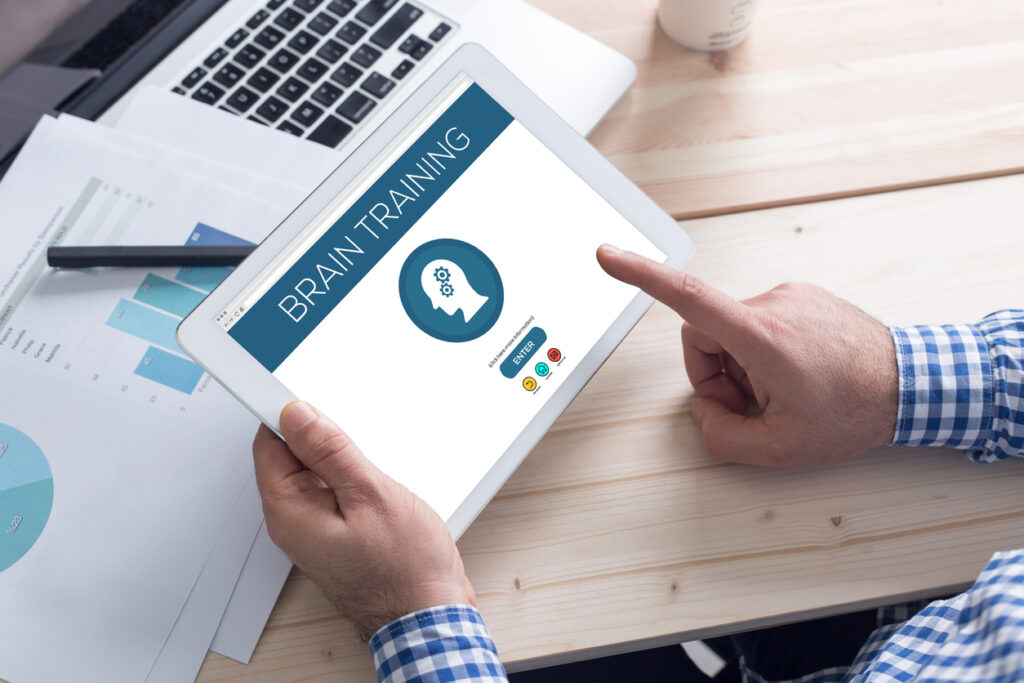
Improve employee retention of training information by teaching memory skills first. This single training topic enhances performance, professional development, and personal growth while equipping staff to remember names, procedures, presentations, and more through proven techniques like visualization, sensory engagement, and storytelling.