
NLP: The pseudoscience that should be ‘mothballed’
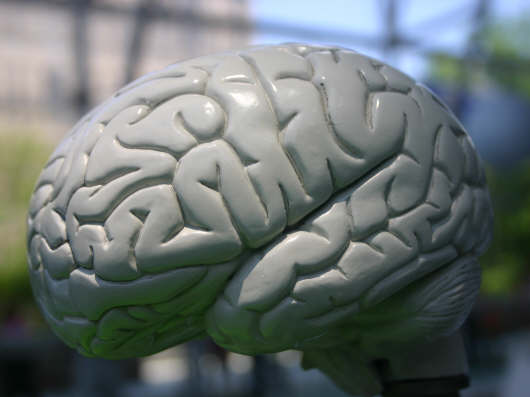
Neuro-Linguistic Programming, widely used in training and coaching, lacks solid empirical support despite claims otherwise. Research analysis shows that of credible academic studies on NLP, more than half contradict its core tenets, leading experts to question its validity as a legitimate practice.
Dr Peter Honey: Learning doesn’t have to be fun

Learning effectiveness doesn’t depend on making education fun or enjoyable, according to learning styles expert Dr Peter Honey. He argues that while motivation and environment matter, challenging experiences can actually produce richer learning outcomes, provided adequate support is available.
No neurosexism please, we’re trainers
Training providers should avoid “neurosexism”—the false belief that gender differences in abilities like communication, math, and spatial skills are hardwired into brains. Research shows these differences result from culture and education, not neurology, making such stereotypes unjustified obstacles to development.
Blending for success: Part one
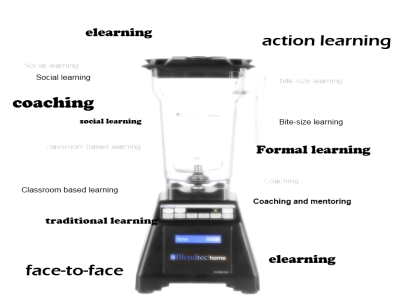
Blended learning combines multiple training approaches and interventions to optimize learning outcomes. This article explores the components that make up effective blended solutions and how organizations can systematically design them.
Learning styles tool for call centre employees launches
A new call centre training tool called Love Your Agents lets employees choose between pictorial or text-based interfaces based on their learning style. Developed by Sword Ciboodle and Capgemini using cognitive research, the technology aims to improve agent satisfaction and customer service outcomes.
Deciphering the learning personality

Professor Chris Jackson’s Hybrid Model of Learning in Personality combines biological theories with socio-cognitive mechanisms to explain how people learn and behave in organizations. The model suggests that sensation seeking—a primitive biological drive—must be channeled through sophisticated mechanisms like goal orientation, conscientiousness, deep learning, and emotional intelligence to produce functional, high-performing employees.
The Kolb experience

David Kolb, pioneering theorist of experiential learning, reflects on his 40-year influence on training and development. His groundbreaking work introduced the Kolb learning style inventory and the concept that experience enriched by reflection, thinking, and action creates deeper learning.