
How can learners practise soft skills in a virtual world?

L&D will have to change to meet the ‘new normal’ skills gap.
Re-imagine, reconnect, realise: why purpose is essential to learning in the hybrid working world
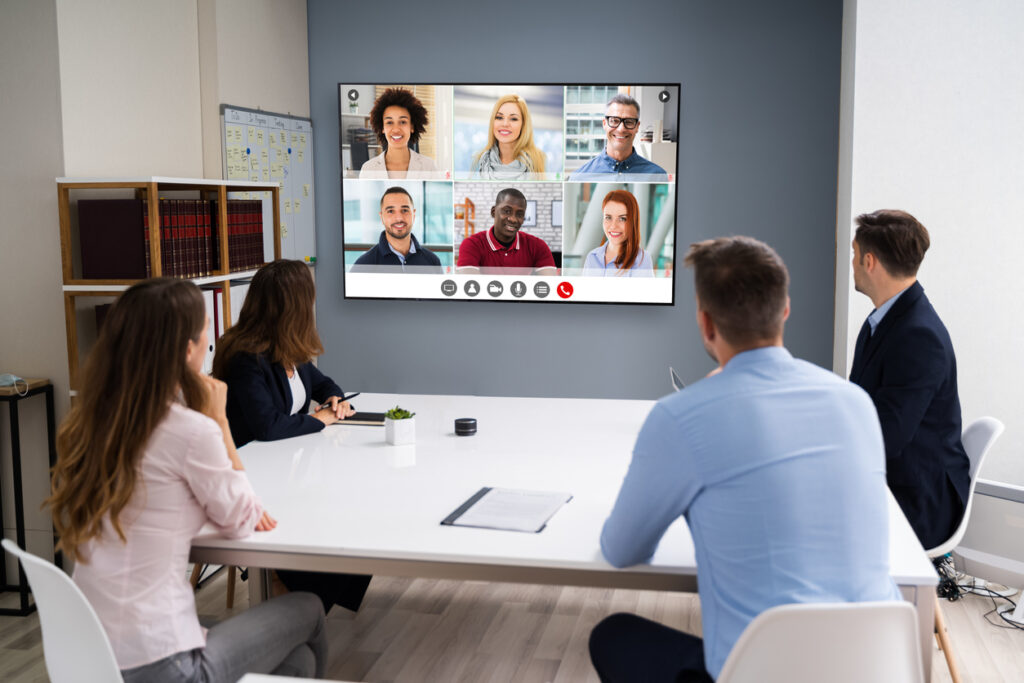
As we shift gears into a new hybrid way of working, it’s time for us to reconnect with our purpose.
How to adapt your virtual learning strategy for a hybrid working future

It’s time to re-assess our virtual learning offering and ensure it’s fit for a hybrid future.
Six Lessons for Flex Working from Flex Learning
Flexible learning offers six practical lessons for implementing effective flex-working arrangements. These lessons—from managing less and empowering employees to sharing control through analytics and providing unified access to resources—can help organizations support remote and flexible work arrangements while maintaining productivity and employee autonomy.
THE FUTURE OF WORKPLACE LEARNING IS DIGITAL
The pandemic has accelerated digital workplace learning adoption dramatically, with 94% of businesses changing their L&D strategies and 82% of senior stakeholders reporting increased demand for digital solutions. Digital learning has shifted from temporary workaround to preferred training method, replacing traditional in-person instruction.
Redesigning L&D for the new hybrid world of work

How to adapt workplace learning to add greater value in the new hybrid working environment.
Employee Wellbeing & Its Connection to Motivation
Employee wellbeing directly impacts motivation and productivity. When employers prioritize staff health—including mental health support, adequate rest, and meeting basic physical needs—workers take fewer sick days, stay more engaged, and produce higher-quality output than fatigued employees.
10 tips for learning and development in a hybrid working world
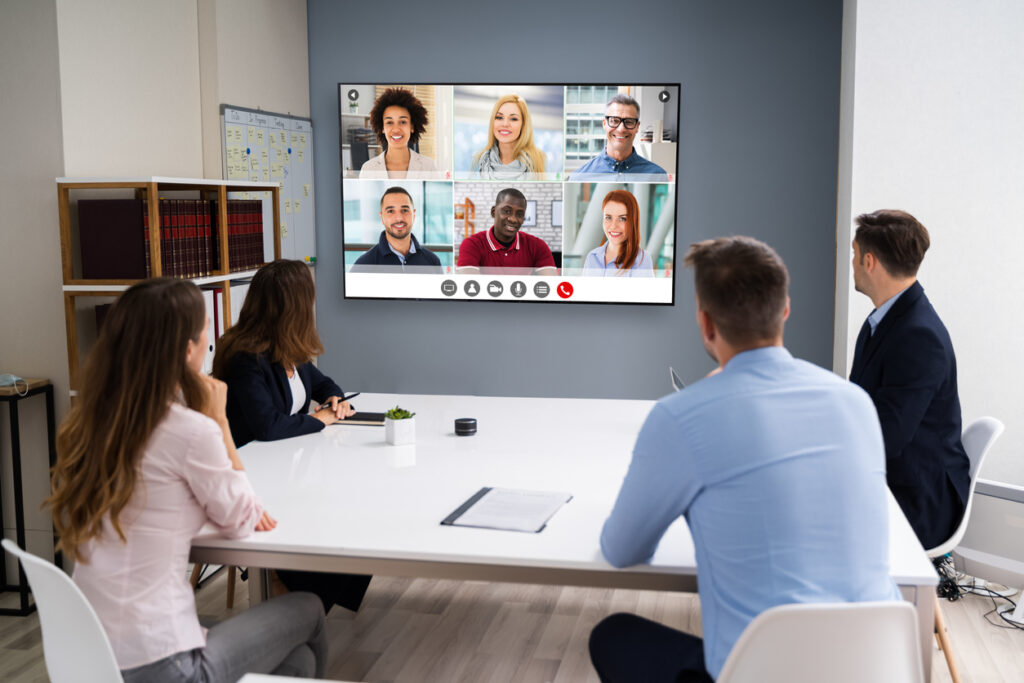
Top ten tips for delivering training to hybrid workforces.
What Can Employers Do To Ensure Employee Welfare
Employers must prioritize employee welfare during remote work transitions, as 80% of remote workers report mental health struggles. Supporting mental health, maintaining communication, and providing flexible schedules are essential to reduce stress, isolation, and productivity decline among home-based teams.
Training after Covid-19: will we remain online?
As face-to-face training resumes post-pandemic, organizations must decide whether to return fully to classrooms or embrace hybrid models. While virtual platforms like Zoom proved effective during lockdowns, some skills training benefits from in-person interaction, making the future of learning likely to blend both approaches.
Four ways to drive learner engagement in a world of unknowns

Four key approaches that ensure learning is relevant and engaging for employees, no matter where or when they are learning.
How has Covid-19 impacted the way we develop graduates and apprentices?

What has the crisis has taught us about how to develop young graduates and apprentices?
5 Ways to Improve Your Remote Performance Reviews
Improve your remote performance reviews by staying engaged, providing context for the past year’s challenges, preparing thoroughly, and maintaining clear communication. These strategies help managers and employees align expectations and have productive conversations despite the difficulties of virtual meetings.
How to give your L&D interventions a human edge in the flexible working era

How to transform your training strategies to fit the flexible working era.
Why gender equality relies on more learning and development for women

Women have been disproportionately affected by the pandemic, but learning could be just the tool to help them thrive again.
Big Picture Remote Training Exercise
Learn how to facilitate engaging big picture thinking exercises for remote manager training. This guide explores alternatives to pair breakouts, including substantive activities that encourage strategic perspective-taking and decision-making skills in virtual formats.
How a data-driven approach can create ruthlessly efficient learning experiences

How can evidence-based measures create ruthlessly relevant L&D initiatives?
Six critical components for success in virtual learning

Online learning is here to stay, but how can we make it more effective?
Training is Dead. Long Live Learning.
The traditional training industry is clinging to outdated models by simply moving classroom content online. True learning requires a fundamental shift toward self-directed, adaptive approaches that help people develop the skills to navigate rapid change independently.
Mastering virtual facilitation in 2021

How to improve your remote training offering going forward.