
How Google’s micro-moments are influencing the design of L&D solutions

Google’s micro-moments framework—being available, quick, and useful—is reshaping L&D design. Since most workplace learning happens informally and on-demand, organizations should deliver just-in-time microlearning content via mobile devices to help employees answer immediate questions whenever they arise.
Flowers for Algernon
Emotional engagement is key to memorable learning. Just as certain books stay with us forever, training that connects with learners on an emotional level creates lasting impact and inspires genuine change.
eLearning technology can better your training
eLearning technology reduces employee training costs and improves accessibility by allowing self-paced, customized learning on any device. This approach increases engagement and retention compared to traditional in-person corporate training methods.
Do you know these 12 design principles for next generation learning?
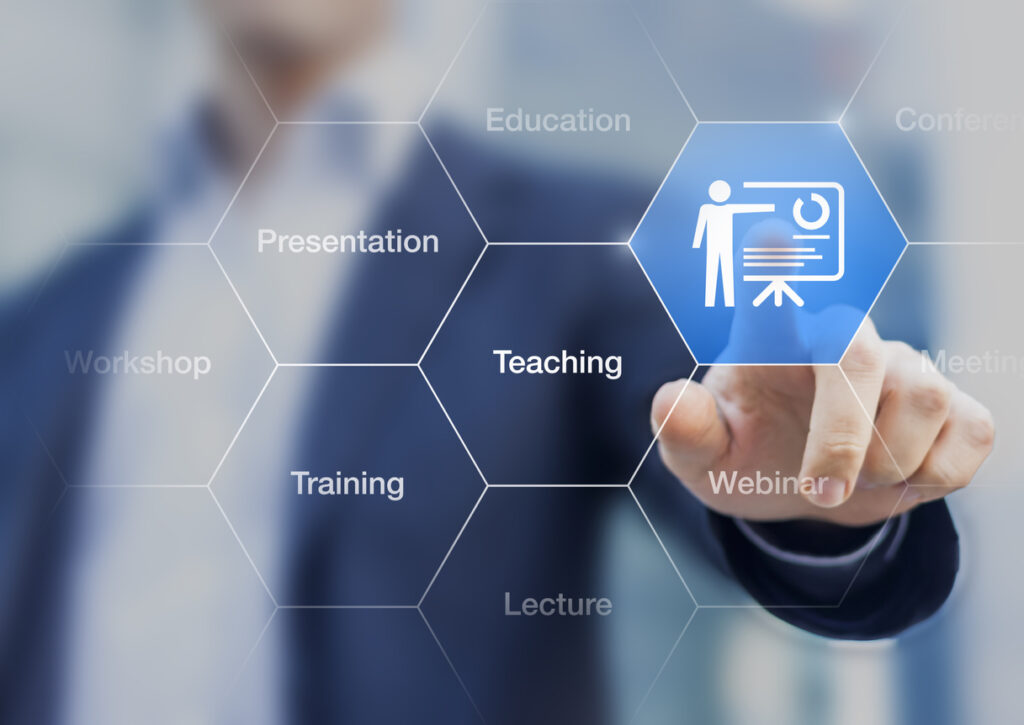
Next generation learning uses digital resources and personalized journeys to build transformative skills faster and more cost-effectively. This approach combines self-learning, virtual coaching, and peer activities, guided by 12 core design principles including bespoke learning paths, strategic alignment, scalable delivery, and gamification.
Lego and Experiential Learning
Lego kits have evolved from tools for imagination and problem-solving into pre-designed builds that limit creativity. This shift mirrors the difference between experiential learning—where learners discover their own solutions—and instruction-based learning that relies on trainers providing “right answers.”
How To Transform Training With Gamification
Gamification uses game elements like leaderboards, points, and badges to boost engagement and retention in corporate training. Research shows it can increase participation by 29-45%, but success requires transparency, voluntary participation options, and clear connection to business outcomes.
9 key VR terms L&D needs to know
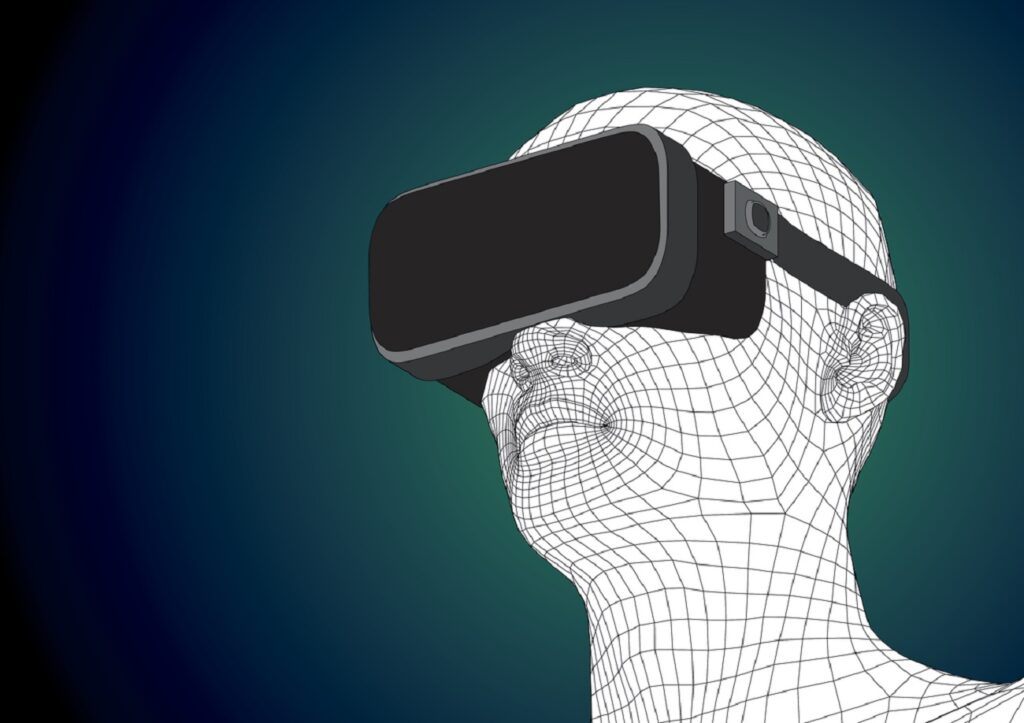
Explore nine essential VR terminology concepts for L&D professionals, including HMDs, AR, MR, and frame rate. Understanding these key terms helps you select the right technology and design effective immersive learning experiences that maximize outcomes.
Negotiation Skills Self Assessments.
Discover effective negotiation skills self-assessment tools and role-play resources for training workshops. Learn how to help participants understand their negotiating style and reinforce learning in professional development programs.
Beat Those Holiday Blues With Impactful Training
Leadership training in autumn provides an ideal opportunity to refresh organizational goals and engage employees returning from summer holidays. Effective programs combine immersive activities with clear contextual positioning, enabling leaders to understand the “why” behind new skills and experience success that builds confidence and retention.
How are games rewiring our brains and shaping behaviours of the future?

Games are reshaping consumer behavior and business engagement by applying game design principles beyond entertainment. With the gaming market worth $100 billion and 2.6 billion players globally, game-focused approaches are transforming healthcare, finance, retail and other industries through improved motivation and behavioral change.
A Toucan Doing the Can Can
Unusual, bizarre, and funny training activities stick in learners’ brains far better than conventional approaches. Rod Webb explains how memorable experiences like quirky exercises help training content get retained, inspire participants, and drive workplace action.
Benefits Of Using Gamification In The Workforce
Gamification boosts employee engagement, cognitive function, and retention by making work feel like games. Companies using gamification strategies achieve 95-100% compliance rates while improving brain function and motivating employees to participate outside work hours.
Change: Are you a Driver or a Passenger?
In change situations, are you a driver taking control of the direction, a front-seat passenger offering guidance, or a back-seat passenger simply watching events unfold? Understanding your role reveals how engaged and empowered you are during organizational transformations.
The Gamification of Learning
Game-based learning makes training more memorable and effective by engaging participants in interactive experiences. Research supports gamification’s impact on learning outcomes, while face-to-face games create opportunities for friendly competition and deeper engagement in classroom settings.
Why Gamifying Employee Training Works
Gamification transforms employee training into engaging challenges that boost comprehension and retention. By turning lessons into game-like experiences with immediate feedback and rewards, employees stay motivated and internalize material more effectively than traditional training methods.
Elections and the Gift of Power
Elections and power transitions prompt reflection on the true sources of influence. While self-belief matters, power ultimately derives from others and their willingness to support us—a gift that can be withdrawn. Building effective teams requires harnessing individual skills and fostering mutual support.
Customer Service
Looking for team competition ideas for customer service month? This post explores game and challenge concepts designed to engage teams in friendly competition while reinforcing customer service skills and best practices in the workplace.
The Dreaded Shootout – Penalties and Practice
The penalty shootout’s outcome hinges on preparation and practice. Drawing from sports psychology research, combining mental review with physical training drills builds the confidence and competence needed to perform under high-pressure situations, whether in football or the workplace.
What does the future hold for L&D?
The future of learning and development will increasingly rely on accessing external resources and fostering curiosity to adapt to rapid technological change. Key trends include learning from crowds to share best practices and developing core skills that enable professionals to transition smoothly into new technologies and processes.
Graduate Away Day
Plan a fun graduate away day with limited budget using free or low-cost team-building activities. This post seeks creative ideas for icebreaker games and bonding exercises that help new graduates connect without expensive professional facilitators.