
Brilliant Brains: Accelerating adaptation for a fast-changing world
CEO and founder of Mindbridge, Kate Lanz, reveals how we can support accelerated learning by leveraging the power of habit.
What If vs What IS Thinking
Excessive ‘What If’ thinking can become destructive and debilitating, fueling anxiety and catastrophizing about unlikely scenarios. By distinguishing between what you can control and what you cannot, and focusing on ‘What IS’ rather than imagined futures, you can reduce stress and reclaim the present moment.
Why you might be more creative than you think!
Most people underestimate their own creativity, believing it’s an innate talent rather than a learnable skill. However, research shows creativity is highly valued in the workplace, and our creative capacity often diminishes due to learned beliefs developed during childhood and education rather than lack of ability.
Neuroscience: Techniques to help you learn more effectively

By understanding more about how the brain works, we can create the optimal conditions for learning – and ensure we retain what we’ve learned more effectively.
Four ways to boost your virtual communication skills

Why face-to-face connection matters most in the age of remote working.
LP is for Learning Patterns
Our brains are hardwired to learn through patterns, which is why we remember song lyrics, puzzles, and sensory experiences so easily. L&D professionals can apply this principle to training by using acronyms, repetition, metaphor, imagery, and movement to make learning more memorable and effective.
How will anxiety about the return to work impact learning and development?

Many employees are feeling anxious about returning to the physical workplace. How will this impact L&D?
Six ways to improve employee wellbeing
Mental health issues affect one in four people, with depression rates doubling during the pandemic. Discover six practical strategies to boost employee wellbeing, from nature exposure to workplace initiatives that reduce stress and support psychological health.
Leadership development: managing the leader-follower relationship

Being an effective leader is about understanding your relationship with others better.
Learning strategy: how to use neuroscience to get the best from your learners
Neuroscience tells us a lot about how and why people learn – but how can we apply this in a business context?
Why the best way to engage learners is with storytelling

Storytelling is a powerful way to engage learners if you use it correctly.
Learning strategy: why cramming in content is counterproductive

Avoid brain overload when planning your training.
The importance of emotional intelligence in the workplace
If ever there were a year in which we need to understand emotional intelligence, it’s 2020.
Learning culture: the five key DNA strands transforming learning today

What five strands of learning are transforming the L&D landscape?
Learning technology: neuroscientific insights to make virtual learning work better

Is your digital learning offering brain friendly?
How brain fitness can aid a safer workplace

Mistakes at work could be avoided through training our brains to better deal with stressful situations.
Neuroscience and employee wellbeing: why lack of sleep is bad for business

Feeling tired or stressed isn’t just bad for our personal wellbeing – it’s also bad for the bottom line.
Why L&D should not mistake ‘NeuroDazzle’ for neuroscience
Is what you think you know about neuroscience really true?
Neurodiversity: maximising talent in the workplace
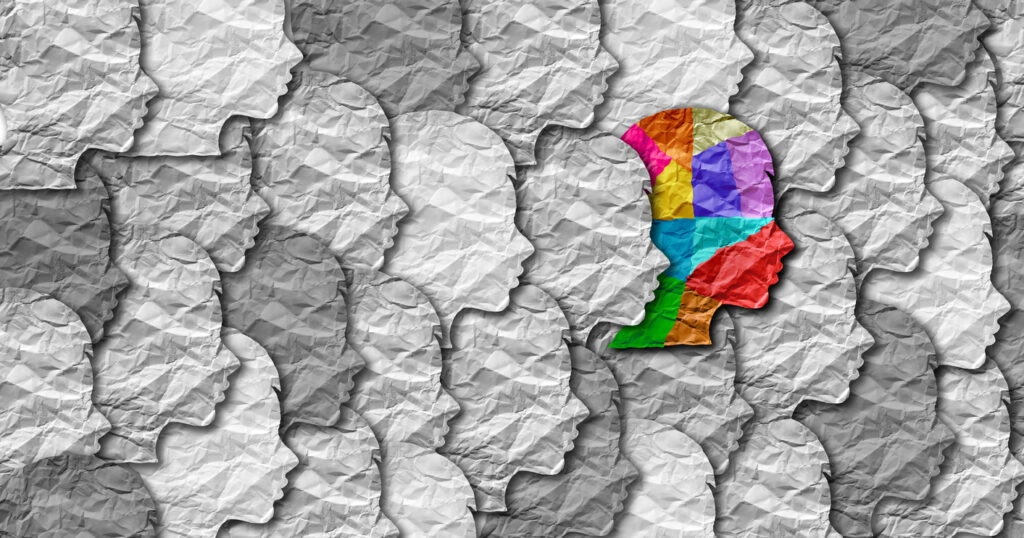
Neurodiverse employees can bring a lot to an organisation – if you know how best to inspire them.
Providing Expert Help To Remote Teams Now Critical
Remote work requires HR and L&D professionals to provide expert support that accounts for neurodiversity, as 15-20% of the UK workforce has neurodevelopmental or acquired conditions. Establishing clear communication guidelines, work structures, and peer support systems helps ensure inclusive practices that benefit all remote team members.