
The fifth secret of accelerated learning: how the brain works to maximise retention
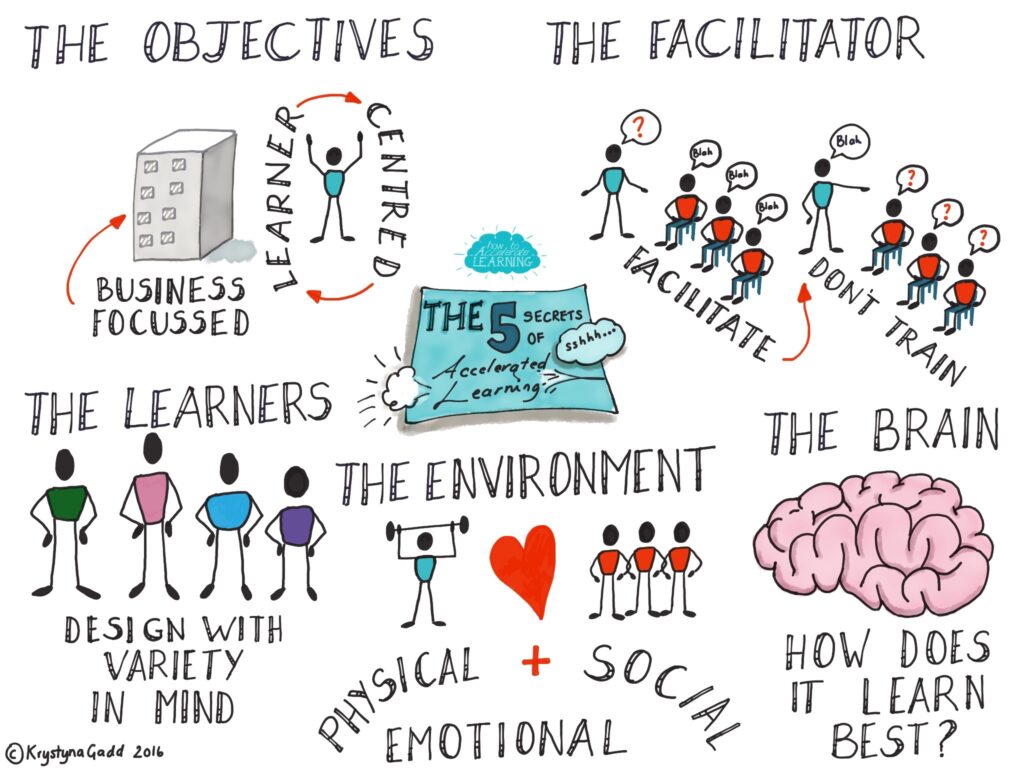
How neuroscience can help us structure our learning sessions better.
Interview: Chris Pirie on adopting a scientific mindset in L&D

Chris Pirie argues that L&D professionals must adopt a scientific mindset, leveraging data science, social science, neuroscience, and behavioral psychology to drive learning effectiveness and organizational performance in an era of rapid change.
Neuroscience: why employers should invest in brain training

Brain training has proven to create significant gains for employers, when done in the right way.
Leadership development: how biosensory technology can make you a better leader

A new generation of biosensory technology tools is helping to revoluntionise leadership development.
Performance management: how to conserve mental energy during the day
Using your mental energy to boost performance.
Lest We Forget
Effective training facilitates learning through emotional engagement, not just knowledge transfer. Behavior change is driven by what people believe, not what they know. Trainers must connect with learners emotionally to create lasting impact.
Neuroscience: rewiring the brain to learn more effectively

What lessons does neuroscience have for L&D professionals?
The debate on neuroscience’s value to learning and development
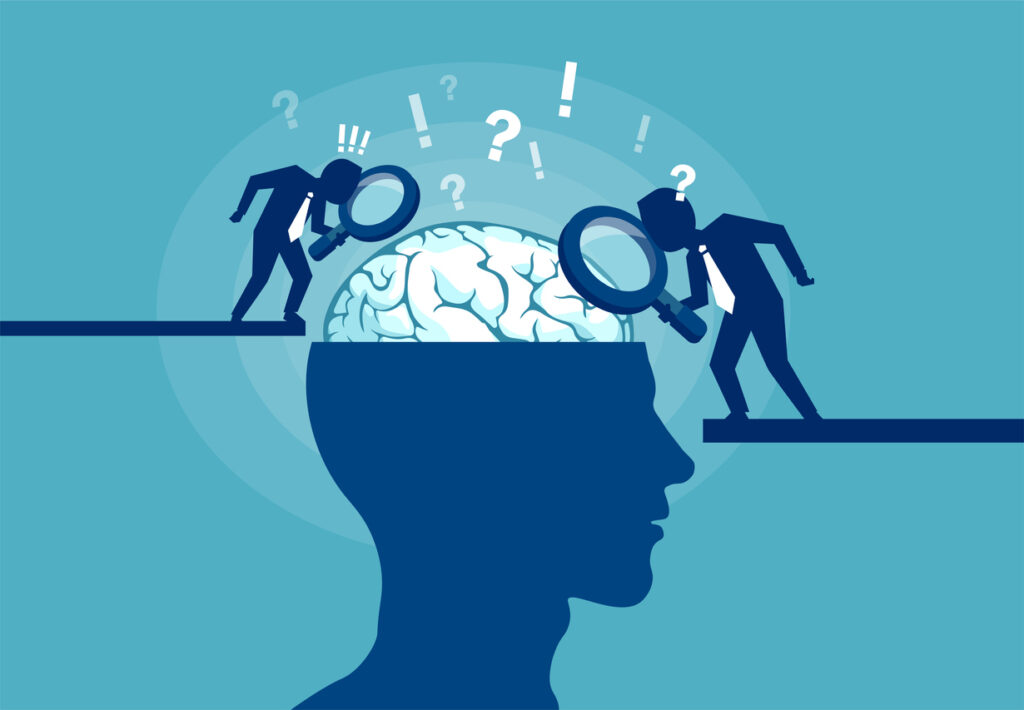
What is the true value of neuroscience and does it have anything to teach us about learning in a workplace setting?
Using neuroscience to gain support for learning at work

Leverage neuroscience concepts like the reticular activating system to convince line managers and stakeholders to support learning initiatives. Understanding how the brain filters information and learns helps trainers gain buy-in for effective training practices and pre-course preparation conversations.
Closing the knowing/doing gap: how to use neuroscience to apply learning on the job
Neuroscience reveals why leadership programs fail to change behavior: participants apply only 1% of what they learn. Research shows that creating ownership of learning content, leveraging group identity, and encouraging practical application are key to closing the knowing/doing gap.
Neuroscience in learning

Neuroscience research reveals how the brain learns through neural plasticity, memory formation, and optimal timing of practice. Understanding these mechanisms helps educators design more effective teaching methods that align with how our brains naturally acquire and retain knowledge.
Neuroscience: why your heart might actually be able to rule your head effectively
Research shows your heart sends vital signals to your brain that help predict errors before they happen, potentially improving decision-making in leadership. Heart rate variability (HRV), which measures the variation between heartbeats, reflects your nervous system’s flexibility and resilience under stress.
Microlearning: why it’s time to ditch the ‘completer finisher’ mindset and go with the flow

Microlearning offers a practical alternative to traditional classroom training, allowing employees to learn in short bursts that fit their busy schedules. Research shows this approach improves information retention by nearly 20% while meeting modern workers’ expectations for development opportunities integrated into their daily work.
Case study: creating a brain-savvy learning strategy

A company overhauled its learning strategy using neuroscience-based principles to maximize training investments. This case study shows how brain-savvy learning methods improved effectiveness by aligning programs with how people actually learn and change behavior.
Learning styles theory: what does neuroscience say?

Neuroscience research contradicts the popular learning styles theory, despite its intuitive appeal. While Kolb’s learning cycle aligns with modern research, the idea that people have fixed preferences for visual, auditory, or kinesthetic learning lacks scientific support.
The 70/20/10 strategy – what does neuroscience say?

The 70/20/10 learning rule—70% from experience, 20% from people, 10% from formal training—has guided leadership development for decades. However, neuroscience and modern workplace challenges suggest this model may need adaptation as skills become outdated faster and workplace expertise becomes scarce.
Learning strategy: should your learning programme really be tough?

Neuroscience shows stress reduces brain function and learning, yet many training programmes intentionally pressure participants. Effective learning requires a positive mood, mild stress, and social connection—not intense competition and cramming.
Transferring learning is obvious – except it’s not

Transferring learning requires more than repetition—participants must understand program goals, apply knowledge in meaningful ways, and receive ongoing support. Research shows that creating ownership through contextualized application and insight significantly improves retention and behavior change.
Holistic learning: how to engage the body in learning

How to make learning a physical experience.
The science behind what keeps us stuck in unhelpful habits

Unhelpful habits persist because our brains create efficient neural pathways that require sustained effort to change. Understanding the neuroscience behind habit loops—including emotional rewards and physiological triggers—is essential to breaking them and forming lasting new behaviors.