
Why learning should be a holistic experience

Nicki Davey explains why learning should connect elements of the human condition – mind, body, heart and spirit.
Training the mind: a new fitness regime for the workplace

Workplace stress and mental health are rising due to limited emotional preparation and rigid educational systems. Building confident, well-rounded communicators who can manage stress and express themselves authentically requires a cultural shift toward nurturing relationships and creativity alongside results.
Debunking the emotional intelligence myth

Emotional intelligence doesn’t require complex strategies or conscious effort. True emotional awareness emerges naturally when we stop overthinking and access deeper wisdom, allowing us to work more effectively and collaboratively.
Emotional intelligence: navigating today’s leadership challenges

Resilient leaders who understand and manage their emotions are essential for navigating today’s business challenges. Emotional intelligence helps leaders cope with constant change, economic uncertainty, and workplace stress while maintaining effective decision-making and performance.
Most-read TrainingZone articles of 2018

Discover TrainingZone’s most-read articles of 2018, featuring expert insights on leadership styles, behavior change, emotional intelligence, and digital learning transformation. Explore the top 10 pieces that captured L&D professionals’ attention throughout the year.
E-learning: how to develop emotional intelligence skills

Online e-learning can effectively develop emotional intelligence skills, but combining digital training with offline practice and human interaction produces the best results for sustained behavioral change.
Why integrity should be at the centre of your value system

Integrity means living by your values and beliefs consistently, even when no one is watching. In today’s digital age where authenticity is rare, acting with honesty, keeping commitments, and taking responsibility builds trust and helps you stand out while strengthening your character.
How to activate the potential of leaders by boosting their heads and hearts
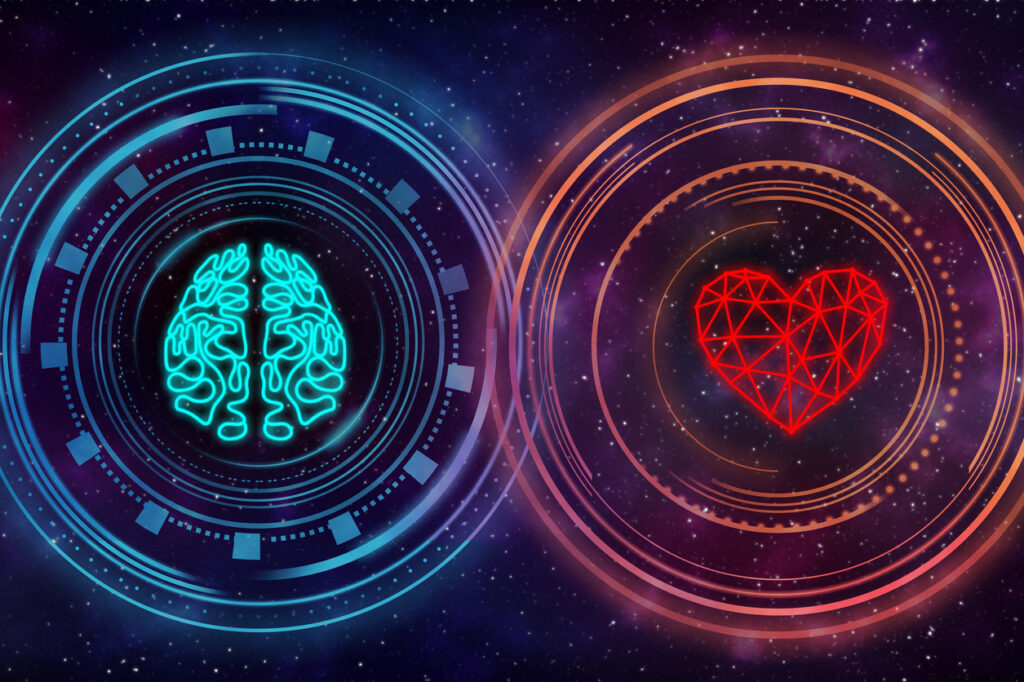
Research shows CEOs operate up to 50% below their potential due to talent gaps and disengagement. Unlocking this potential requires developing both head and heart intelligence through neuro-agility training and motivational mapping techniques that enhance cognitive flexibility, learning speed, and team motivation.
Combining AI and neuroscience to transform lifelong learning

AI and neuroscience are revolutionizing lifelong learning by helping individuals and organizations understand how people learn and develop skills beyond formal education. Combined with accessible online platforms, these technologies enable personalized, continuous learning that prepares workers for an evolving job market and more fulfilling careers.
A new way of coaching: how to reset your coachee’s operating system
Effective executive coaching requires working beyond surface-level behavior changes to address the unconscious mind and cellular biology. By helping coachees explore hidden beliefs and early programming that drives behavior, coaches can facilitate faster, more sustainable transformation in mindset and performance.
Neuroscience and leadership: is your brain preventing you from being a better leader?

Your brain’s natural wiring causes you to repeat habitual leadership mistakes under pressure, but understanding neuroscience shows how to override automatic responses and improve your decision-making in critical workplace situations.
Six neuroscientific insights that can help improve learning performance

Neuroscientist Dr. Daniel Glaser shares six brain-based strategies to boost learning performance, including how beliefs about neuroplasticity, emotional engagement, and focused attention directly impact how well students learn and retain information.
Brain fitness: handling stress in a learning environment

Stress impairs learners’ ability to process and retain information by activating the fight-or-flight response and damaging key brain regions like the hippocampus and amygdala. Sally Tanski, a leadership development facilitator, shares six evidence-based strategies to reduce stress and improve brain fitness in learning environments.
Brain agility: maximise your learning investment and future proof your talent
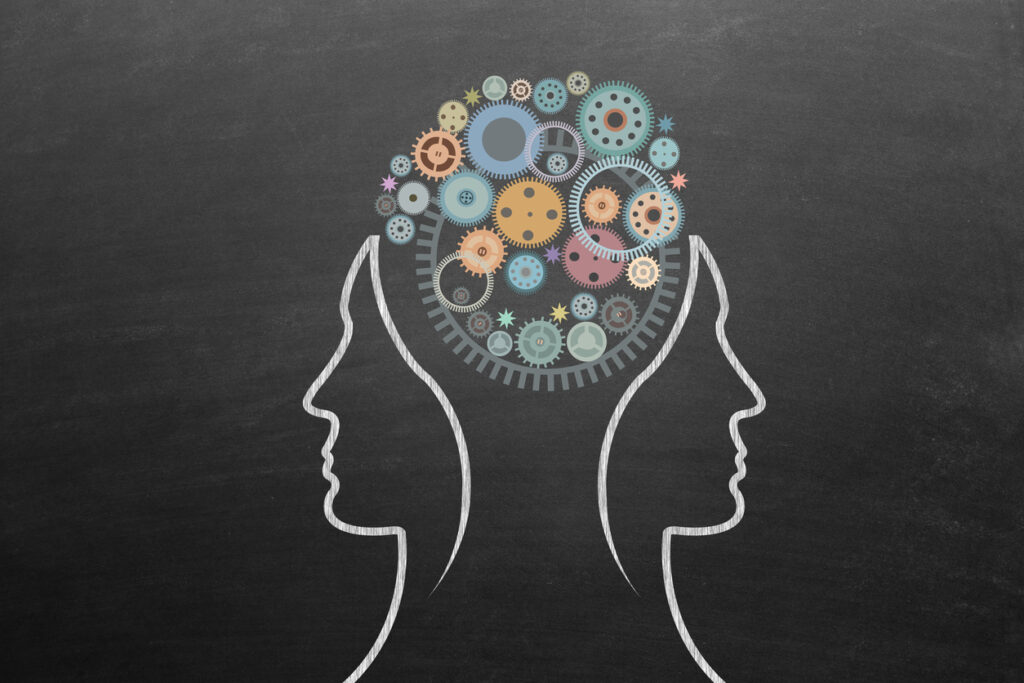
Brain agility—the ability to learn new skills quickly—is essential for organizations facing rapid technological change. By understanding neuroscience and optimizing six brain drivers including fitness, sleep, stress management, and movement, employees can maximize their learning potential and adapt to future jobs that don’t yet exist.
How to remove the glass ceiling

Removing the glass ceiling requires taking small, incremental steps rather than dramatic action. By using “kaizen” principles—making low-key, non-threatening changes—organizations can help employees advance without triggering fear-based resistance in the brain’s amygdala, which blocks rational and creative thinking.
Emotional intelligence: Do you know the four basic components?

Emotional intelligence comprises four fundamental components: self-awareness, self-management, social awareness, and relationship management. These skills help leaders and employees perceive emotions, maintain relationships, handle challenges, and make better decisions in the workplace.
Chunking – the efficient way to store information in your brain and succeed

Chunking is a cognitive strategy that breaks down complex information into manageable bite-sized pieces, allowing your brain to learn skills more efficiently and store knowledge in long-term memory. By grouping information together, you reduce mental strain and can perform complex tasks like driving with ease.
What sort of mindset do you adopt when you come up against obstacles or difficulties?

Your mindset shapes how you interpret obstacles and setbacks. Stanford psychologist Carol Dweck’s research shows that adopting a growth mindset—believing abilities develop through effort—builds resilience and unlocks your potential for achievement and success.
How can we quickly deal with unconscious bias?

Unconscious bias influences decisions more than people realize, from hiring choices to daily interactions. Self-awareness is key to overcoming it—pay attention to your assumptions when tired or stressed, and question beliefs not backed by facts.
The multiple benefits of improving your self-confidence

Building self-confidence as a business leader improves decision-making, enables better delegation, and strengthens your ability to guide your company. A confident leader sets clearer direction, plays to strengths, and creates a positive impact on employees and customers.